Signal & Noise
Skimle's resource centre dedicated to high quality analysis using modern methods

Customer insights research: how to find the real why behind customer behaviour
Customer insights research explains why customers behave, switch or churn. See how it differs from market research and what data and analysis it takes.

Open text analysis: how to find the themes you didn't know to look for
Most open text analysis tools stop at sentiment or category buckets. Here's how inductive theme discovery finds the patterns predefined categories miss.

How to analyse in-depth interviews (IDIs): a complete guide for market researchers
How to analyse in-depth interviews (IDIs): within-case and cross-case coding, sample size, quote selection, and a worked example from a churn study.

Focus group transcription: 5 challenges and how to solve them
Focus group transcription is harder than 1:1 interviews: crosstalk, speaker attribution, accuracy rates. How to transcribe, format and check a group transcript.

The bottom-up rigour problem in commercial research
Most commercial qualitative research is built top-down: skim for themes, find quotes to fit. Academic research does it bottom-up. AI now makes that affordable at deadline.

Why 3x faster is the wrong pitch for AI in research
Selling AI-assisted research on speed alone leads to shorter projects and thinner margins. The better pitch is what teams do with the time AI frees up.

Excel for text: why qualitative analysis needs visible steps, not just an answer
Nobody accepts a black-box result from a spreadsheet. Why do we accept one from AI-assisted qualitative analysis? A case for showing the steps, not just the summary.

A citation is not an analysis - defending your findings with rigour
AI tools can show you the quote behind a finding. They can't show you what they never looked at. Here's why that gap decides whether a client trusts your research.
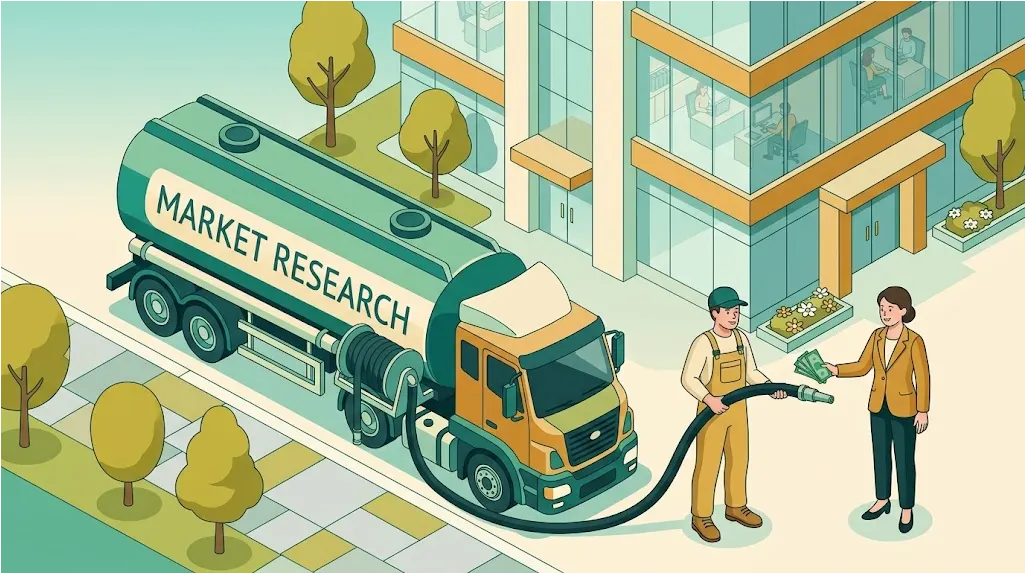
The commoditisation trap: why cheap AI research makes agencies replaceable
Clients expect AI to make research cheaper and faster. Agencies that compete on that basis commoditise themselves. Here's the alternative: compete on depth instead.

The real cost of a fragmented voice of customer programme
Fragmented VoC data produces contradictory findings, slows decisions, and lets the loudest team win instead of the best evidence. Here's how to size the real cost.

How to evaluate qualitative analysis software: a 7-domain RFP checklist for insights teams
A vendor-neutral evaluation framework for qualitative analysis software: 7 scoring domains, the questions to ask, a pilot protocol, and the procurement annex.

Mini-research: 8 ways to turn customer data into a shareable insight in less than a week
Eight small research projects a customer insights team can run in days, using data you already have or can collect quickly, and publish as thought leadership.

How to use AI responsibly in qualitative market research: 7 rules for insights teams
Responsible AI in qualitative market research: 7 rules covering where AI helps, why synthetic respondents fail, and what human-in-the-loop really requires.

What a qualitative study actually costs in 2026: a full cost breakdown
A line-by-line cost model for a qualitative study: recruitment, incentives, moderation, transcription and analysis, with 2026 rates and a worked example.

How to combine customer insights across 8 feedback channels without losing the thread
Interviews, NPS, tickets and sales calls rarely add up. How to run one stable category structure across all 8 customer feedback channels you collect.

Qualitative research for product managers: from customer calls to product decisions
Product managers run customer interviews but rarely analyse them well. Here's a practical guide to turning qualitative research into clear product decisions.
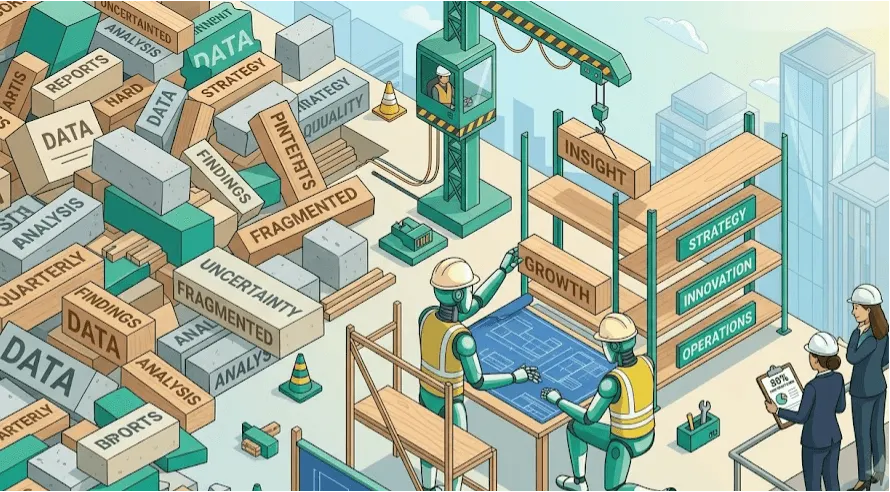
AI for data analysis: a practical guide for text and unstructured data (2026)
Most AI data analysis guides focus on numbers. But 80-90% of organisational data is unstructured text. This guide covers how AI handles both, with a decision table and practical workflow.
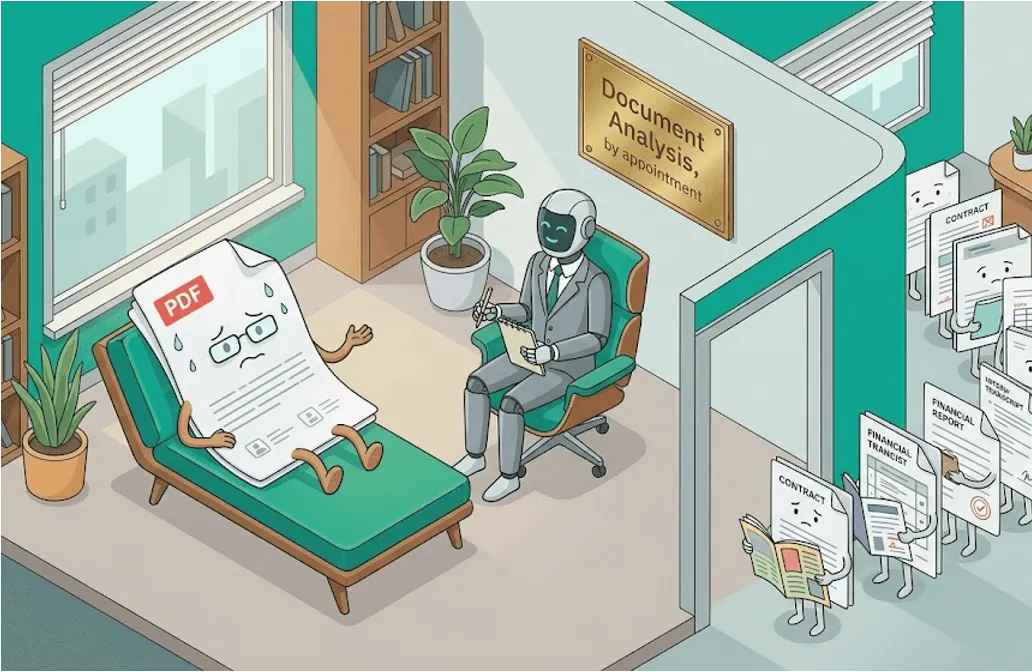
AI document analysis: how it works and how to use it well in 2026
AI document analysis tools range from single-PDF chatbots to systematic multi-document analysis. Learn which tier fits your use case and when chat-with-your-PDF breaks down.

How to analyse employee engagement survey open-text responses: a complete guide
A practical guide to getting real insight from open-text engagement survey responses: coding frameworks, subgroup analysis, and presenting findings to leadership.

How to analyse customer interviews at scale: from 10 to 100+ interviews
A practical guide to analysing customer interviews at scale: coding strategy, synthesis across 30–100+ interviews, segment analysis, and QA for AI-assisted analysis.
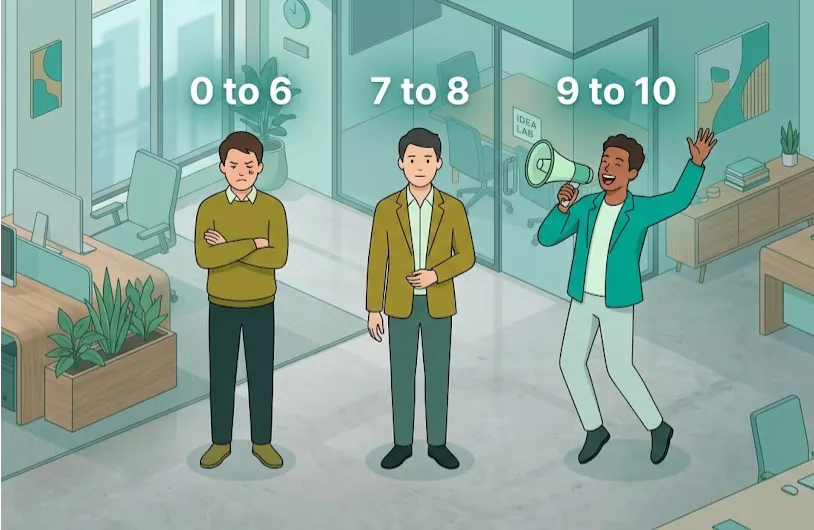
How to analyse NPS verbatim comments at scale: a practical guide
A practical guide to NPS verbatim analysis at scale: coding frameworks, segment differences, closing the loop, and tools for analysing 500+ NPS open-text comments.

Qualitative primary research in private equity due diligence: a practical guide
How PE and VC deal teams run and analyse qualitative primary research in CDD, from expert calls to customer references, on tight deal timelines.

How to build a voice of customer programme for B2B companies
A practical guide to B2B VoC programmes: the four data sources, running customer interviews, synthesising across sources, and turning insights into decisions.

Win-loss interview questions: 40+ questions and a guide to running them
A bank of 40+ win-loss interview questions organised by topic, plus a guide to structuring 30-minute calls, handling off-script moments, and coding responses consistently.