Signal & Noise blog
Skimle's blog dedicated to high quality analysis using modern methods

ChatGPT prompts for qualitative data analysis: what works, what doesn't
Practical ChatGPT prompts for qualitative data analysis — plus a clear-eyed account of where general-purpose AI falls short for rigorous qualitative work.

How many interviews is enough for qualitative research? What the evidence says
Most guidance on qualitative sample sizes is vague. Here is what the actual research on data saturation shows — and how to decide for your specific study.

How to do qualitative research on a PhD budget: tools and methods that won't break the bank
NVivo costs over EUR 1000 per year and is rarely worth it for individual researchers. Here are the best free and affordable alternatives for PhD students doing qualitative analysis.
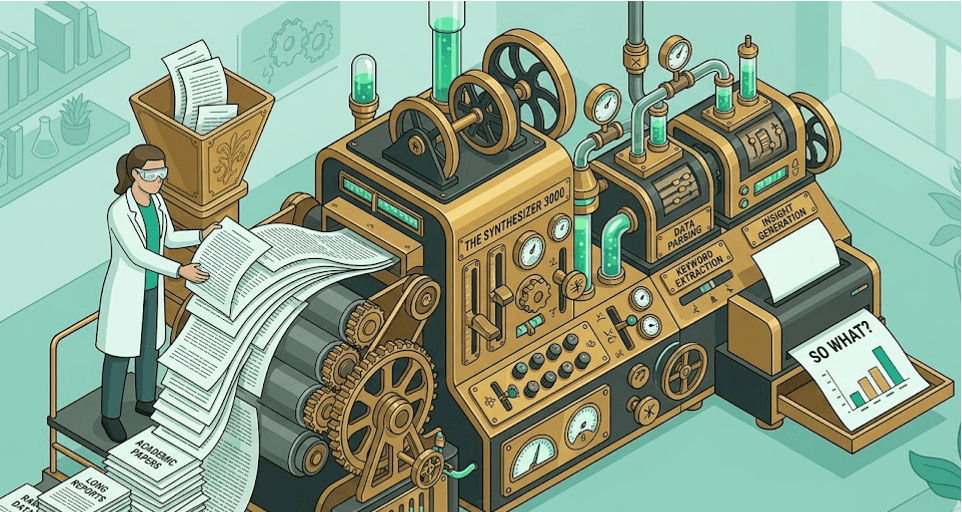
How to present qualitative research findings to executives who only trust numbers
How to make qualitative research findings land with sceptical executives: structuring findings, using frequency language, and building the credibility trail that numbers-first audiences need.

How to synthesise user research: turning 20 interviews into a clear story
A practical guide to user research synthesis: how to move from raw interview transcripts to structured findings and a stakeholder-ready narrative.

How to code qualitative data: inductive, deductive and abductive approaches explained
A practical guide to qualitative coding: what inductive, deductive, and abductive coding are, when to use each, and how AI tools are changing the process.

How to analyse 360 feedback: moving from report to development priorities
A practical guide to analysing 360-degree feedback: how to extract development priorities from qualitative comments and avoid the pitfalls of generic reports.

How to analyse exit interviews: turning departures into a retention strategy
A practical guide to exit interview analysis: how to collect, code, and synthesise departure data to identify real attrition drivers and act on them.

Competitive intelligence from qualitative data: what your customers say about your rivals
How to extract competitive intelligence from customer interviews, NPS verbatims, and win-loss calls — and analyse it systematically with thematic analysis.

Commercial due diligence in 2026: how AI is changing qualitative primary research
How AI is changing the synthesis of expert calls and customer reference interviews in commercial due diligence — and what it means for deal teams in practice.

AI qualitative data analysis checklist: 20 questions before you publish
A practical pre-publication checklist for qualitative research that used AI tools — covering documentation, traceability, transparency, and peer reviewer expectations.

How to build a research repository that people actually use
Most research repositories become graveyards. Here is how to design one that stays current, surfaces relevant insights, and earns a place in real workflows.
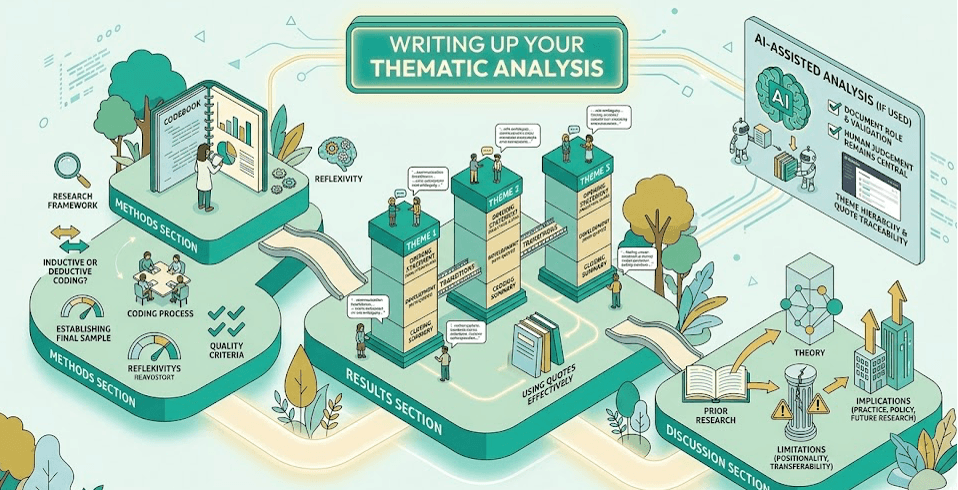
How to write up a thematic analysis: from findings to final report
A step-by-step guide to writing up thematic analysis findings — structuring your results section, reporting themes, and meeting peer reviewer standards.

Always-on customer research: how to embed AI interviews at every stage of your product lifecycle
How startups and scale-ups can run continuous customer research from discovery to churn using embedded AI interviews, without a dedicated research team.

How to analyse employee survey results: moving beyond the numbers
Learn how to analyse employee survey results properly, from aggregate scores to open-text themes, and turn raw data into HR insights leadership will act on.

How to do thematic analysis with AI: a practical guide for 2026
A methodologically grounded guide to AI-assisted thematic analysis: where AI accelerates the process, where it can't replace researcher judgement, and how to do it rigorously.

Analysing customer feedback with Skimle: digging deeper into what customers are telling you
Learn how to import customer feedback CSVs into Skimle, set metadata fields, and let AI surface hidden themes by product, time period, and more.

How to analyse NPS verbatim comments: turning free-text scores into actionable themes
NPS verbatim analysis reveals what the score never can. Learn how to turn open-text NPS comments into themes you can actually act on.

Win-loss analysis: how to systematically learn from deals you won and should have won?
Win-loss analysis only works when you treat interviews as structured data. Learn the methodology for systematic theme discovery across your whole deal set.

HR surveys - moving from meaningless numbers to deep insights using AI interviewers
Annual engagement surveys produce scores, not understanding. AI interviewers now make it possible to gather rich qualitative insights from hundreds of employees at the cost and speed of a survey.

Analysing App Store reviews and online product reviews at scale
App Store review analysis at scale reveals version-specific complaints, regional trends, and sentiment shifts that reading individual reviews never could.

Manual coding and REFI-QDA export - combining Skimle's AI analysis with manual workflows
How to use Skimle's manual editing tools to refine AI-generated codes, and how to export your full coding scheme to NVivo, MAXQDA, or ATLAS.ti via REFI-QDA.

How to analyse focus group transcripts: the unique challenges of group data
Focus group transcript analysis requires a different approach to 1:1 interviews. Learn how to handle attribution, group dynamics, and dominant voices.

Discovering themes in the data using metadata variables - advanced analysis with Skimle
In this article we explain how to discover patterns in the data using Skimle's metadata features. Analyse differences in responses by time period, gender, type of organisation or any other variable